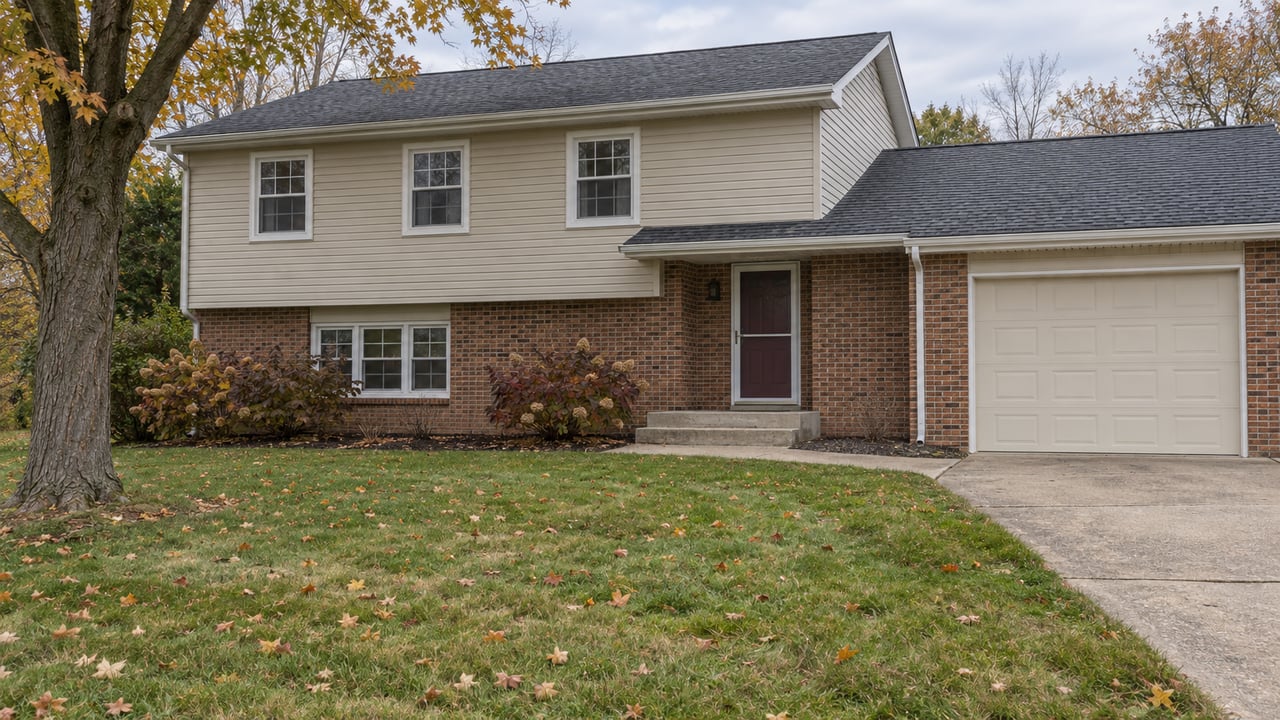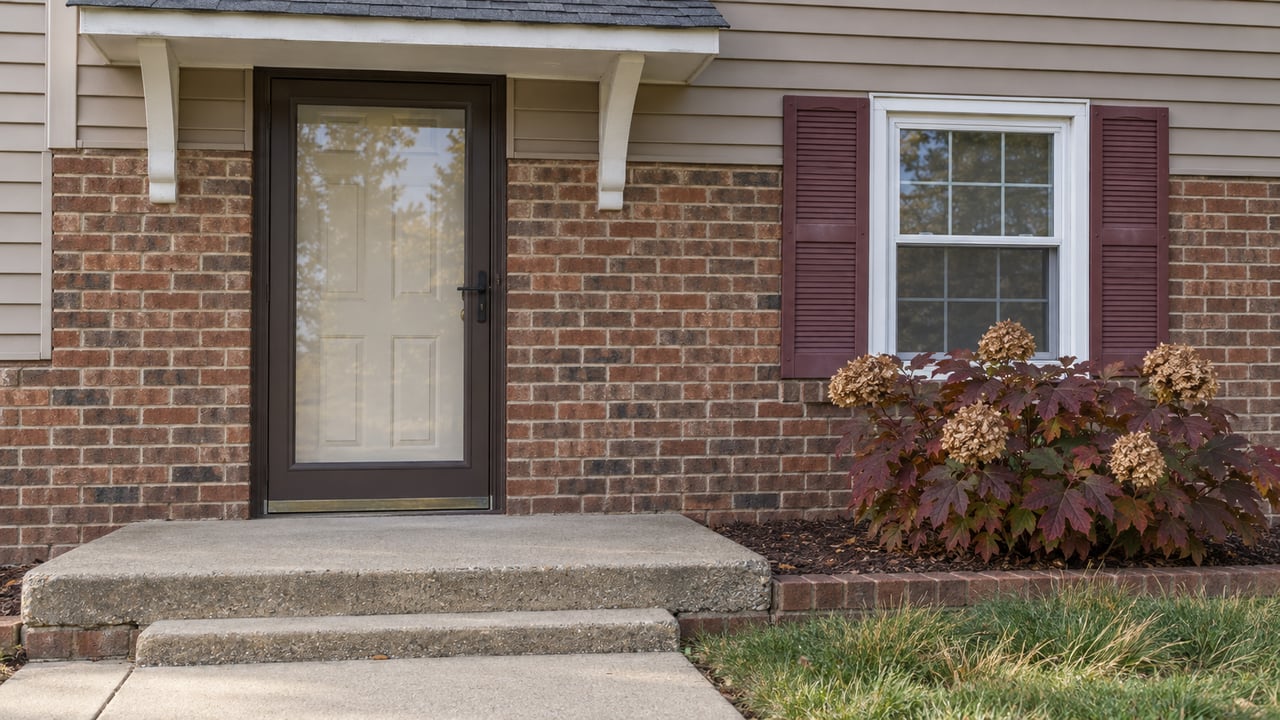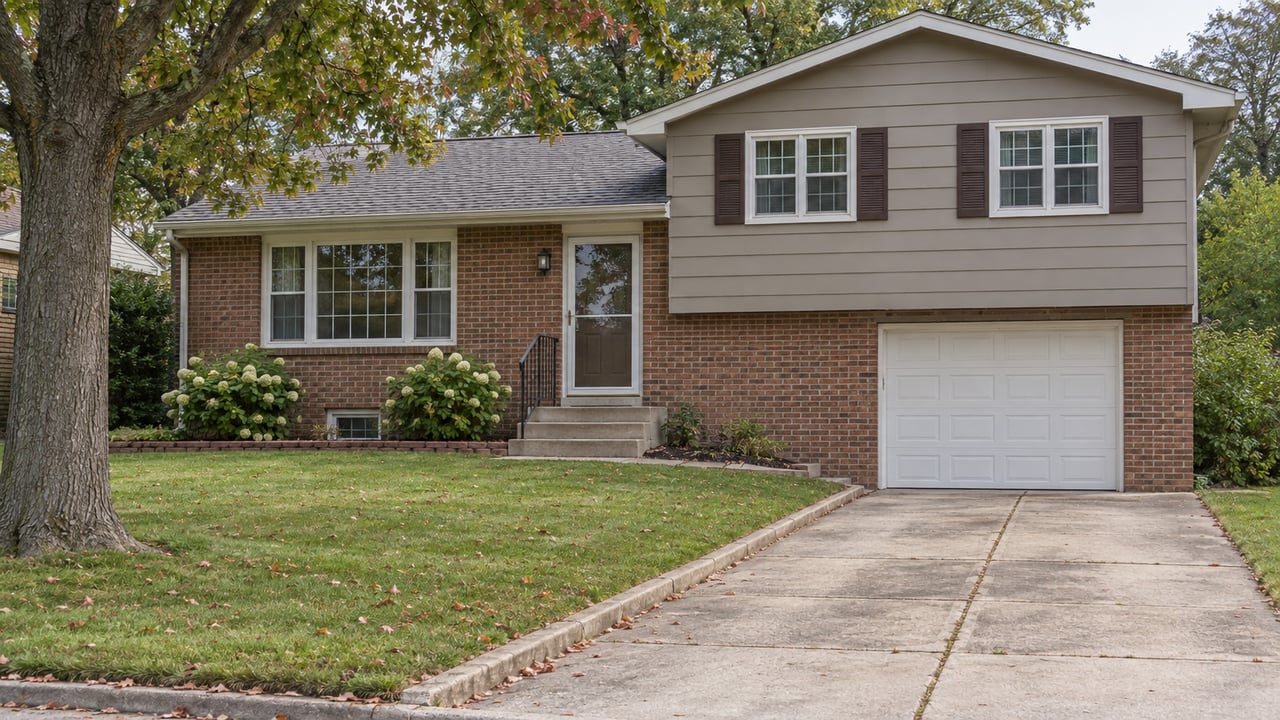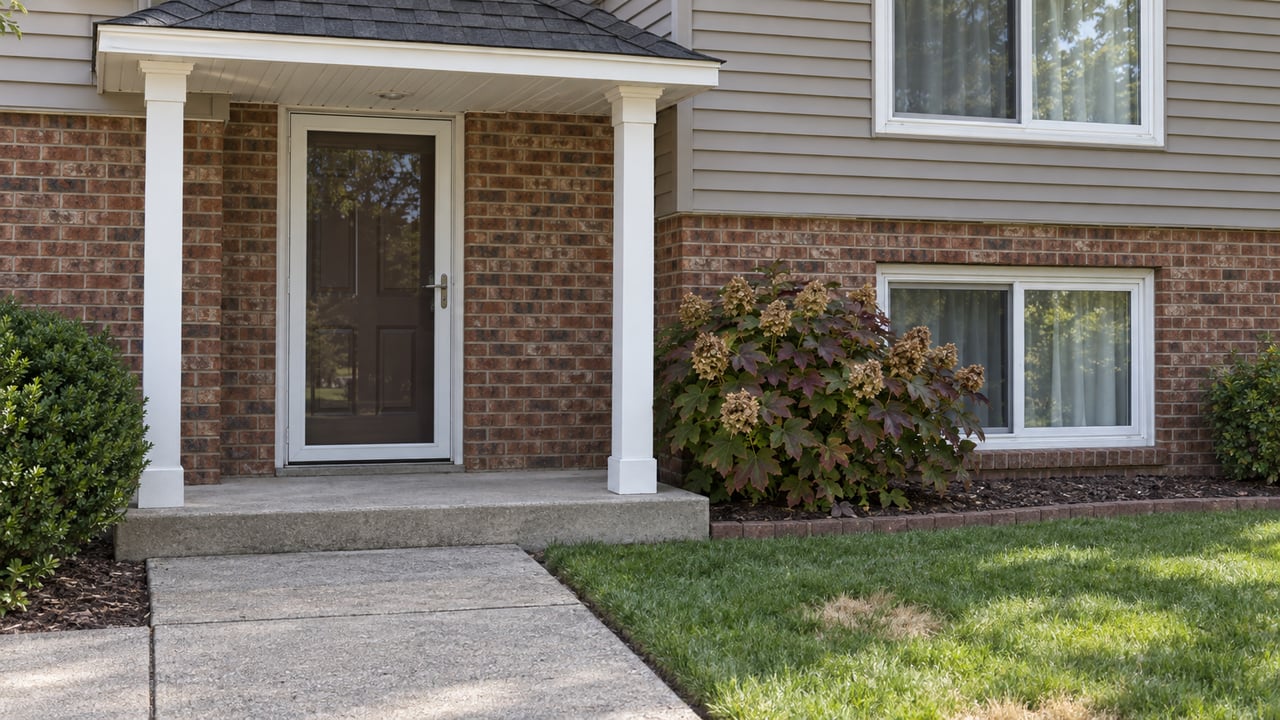
"Such inspection shall not be required." That line sits in Cheltenham Township's sale-of-property ordinance, Chapter 217. It settles something many Glenside sellers worry about for weeks before listing.
On the Cheltenham side of Glenside, applying for the resale certification gives the township permission to inspect the house. The same section says the township may issue the certificates based only on what the seller wrote in the application. On the Abington side, Abington Township's affidavit form calls for a notarized affidavit signed by the seller. Neither township's resale materials describe a required pass/fail walk-through with a punch list attached to your settlement date.
That sounds easier, and mostly it is. But it changes where the risk sits. When no inspector signs off, the seller's own statements become the record. In Glenside, which statements you owe depends on which side of a township line your house is on.
First, find out which township you're actually in
Glenside is a census-designated place, not a municipality. It spans Cheltenham Township and Abington Township, and both sides share the 19038 ZIP code. Your mailing address won't tell you which set of rules applies.
A few landmarks help you get your bearings. A Cheltenham Zoning Hearing Board decision places Arcadia University in Cheltenham Township. Cheltenham's own Glenside commercial-district plan covers stretches of Easton Road and the area around Glenside station. Abington's land-use planning covers the Ardsley station area and lists North Hills among Abington's communities. Those are reference points, not a street-by-street boundary, and houses near the line need a parcel-level check.
Three public tools settle it:
- Montgomery County property records. The county's property records search takes a street address or parcel number.
- The county's municipal boundary dataset. The Montgomery County municipal boundaries map is labeled authoritative. Its municipal code field lists Abington as 101 and Cheltenham as 102.
- Pennsylvania DCED's address lookup. The state's find-your-municipality tool returns a municipality and school district. DCED recommends confirming the result with the county, municipality or school district.
Do this before you sign a listing agreement. Every step after it depends on the answer.
The Cheltenham side: a zoning warranty in the contract itself
Cheltenham's Board of Commissioners wrote Chapter 217 for a specific reason. It found that many buyers didn't know their property's zoning district or the limits that district puts on how the property can be used. So the law makes sellers deliver four items to the buyer at or before settlement:
- A certification of the zoning district, issued by the Township Zoning Officer
- A certification that the current use of the property "does or does not comply" with township ordinances
- An affidavit that the street address number is properly displayed
- For a single-family home, an affidavit that the house has smoke detectors as the township's Fire Prevention Code requires
The application asks for the property address, the names of the current owners and the buyers and their agents, and "a complete statement of the current use or uses" of the property. Under the 2026 fee schedule, Resolution 46-25, effective January 1, 2026, the fee is $40. The 2025 schedule listed the same amount. The township has to issue the certification within 15 days of receiving the application, so the paperwork should go in at least that far ahead of settlement.
The part that surprises Cheltenham-side sellers isn't the certificate. It's what the ordinance requires in the agreement of sale. Every sales contract for Cheltenham property has to state the property's zoning classification and include a warranty that its current use complies with township ordinance. The seller is allowed to rely on the Zoning Officer's certifications in making those statements.
If those provisions are missing and the buyer later sues, the law says it "shall be conclusively presumed" that the seller warranted the property was being used in compliance with the zoning laws in effect when the agreement was signed. Leaving the clause out doesn't avoid the warranty. Under the ordinance, the seller is treated as having given it anyway.
The ordinance adds two more consequences:
- Deed registration. "No deed will be registered by the township unless the certifications required by this chapter have been issued."
- Fines. An owner who doesn't provide the certifications, and whose use before settlement violated township zoning, commits a summary offense with a fine of up to $600 plus costs of prosecution.
This is why the use statement matters more than the address numbers or smoke detectors. A house whose actual use matches its zoning district gets a routine certificate. A house being used in some way the zoning district doesn't allow gets a certification saying the use does not comply, and the buyer receives that document before settlement. The time to find out which one you have is before an agreement of sale exists, not 15 days before closing.
The smoke detector rule here is narrower than many sellers assume. Cheltenham's fire code requires single-family sellers to install and maintain smoke detectors and to submit the affidavit with the zoning-and-use application. The resale provisions name smoke detectors only. Carbon monoxide detectors aren't on the Chapter 217 list.
The Abington side: one notarized page with stricter hardware
Abington doesn't ask about zoning or use at resale. Its residential requirement is a single affidavit, issued under Resolution No. 92-008 of May 14, 1992, and Ordinance No. 1894 of June 12, 2003. The seller signs it before a notary and submits it to the township at or before settlement.
The paperwork is lighter, but the equipment list is longer than Cheltenham's. The affidavit requires:
- Address numerals at least three inches tall on the street side of the house, visible from the center of the street
- New smoke detectors on each level and in each bedroom or sleeping area. Where an existing hard-wired system doesn't cover every required location, battery-powered detectors may fill the gaps
- At least one carbon monoxide detector, installed no more than 40 feet from every sleeping area
Penalties are steeper too. A violation of Ordinance 1894 is a summary offense with a fine of up to $1,000, up to 30 days' imprisonment, or both. Each day the violation continues counts as a separate offense. The form prints no filing fee.
Because you're swearing to these items in front of a notary, they're worth checking room by room, bedroom by bedroom, before signing day.
Side by side
| Cheltenham side | Abington side | |
|---|---|---|
| Governing rule | Chapter 217, Property, Sale of | Resolution 92-008 and Ordinance 1894 |
| What the seller delivers | Zoning district and use certifications, address affidavit, smoke detector affidavit | One notarized affidavit |
| Zoning or use review | Yes, with a use compliance statement | Not part of the affidavit |
| Carbon monoxide detector | Not named in the resale provisions | Required, within 40 feet of every sleeping area |
| Fee | $40 under the 2026 schedule | None printed on the form |
| Timing | Township issues within 15 days of application | Submitted at or before settlement |
| Contract language | Zoning classification and use warranty required in the agreement of sale | No contract clause required by the affidavit |
| Maximum fine | $600 plus costs | $1,000, up to 30 days, or both, per day |
What state law says if an inspector does show up
Cheltenham's ordinance lets the township inspect if it chooses. Buyers coming from towns with mandatory point-of-sale inspections often ask what happens if violations turn up. Pennsylvania's Municipal Code and Ordinance Compliance Act sets the ground rules for municipalities that do inspect resales. The Pennsylvania Association of Realtors summarizes it this way:
- If an inspection finds violations but none that make the building unfit to live in, the municipality issues a temporary use and occupancy certificate, and the buyer can move in while making corrections.
- A substantial violation calls for a temporary access certificate, which allows repair work but not occupancy.
- A municipality may not require an escrow, bond or similar security as a condition of issuing the certificate.
- The new owner gets 12 months from purchase to bring the property into compliance.
Buyer and seller can still negotiate repairs or an escrow privately in their own agreement. The association also cautions that how the act applies to point-of-sale requirements not tied to a comprehensive inspection depends on the particular ordinance. Chapter 217 doesn't spell out how it interacts with that distinction, so for a specific sale, take the question to the township or your attorney.
Quick answers
Who in Cheltenham handles the application? Chapter 217 names the Township Zoning Officer as the issuer of the zoning district certification. Cheltenham's website lists Building, Zoning, & Codes and Code Enforcement as departments. Call ahead to confirm the current form and how to submit it.
Does a battery smoke detector count on the Abington side? The affidavit allows battery-powered detectors where an existing hard-wired system doesn't cover every required location.
Has either requirement changed recently? Cheltenham's Chapter 217 fee was $40 in both the 2025 and 2026 schedules. The current Abington affidavit still cites its 1992 resolution and 2003 ordinance, and no newer amendment to it turned up.
This is general procedural information, not legal advice. For your specific property, talk with a real estate attorney or your settlement company.
If you're getting ready to sell in Glenside, we'll start by confirming which township your parcel is in. Then we'll build the right certification, affidavit and contract language into your timeline so nothing turns up at the settlement table. Reach out to Ariel at Art Herling Team In Blue Bell to put that plan together. Let's Connect — Start Your Move.