Are you drawn to the character of an older home but wondering what comes with the charm? If you are looking at historic homes in Glenside, you are not alone. Many buyers love the architectural detail, mature setting, and sense of history these homes offer, but they also want to know what to expect before they make a move. This guide will help you understand the styles, upkeep, and smart update choices that often come with older homes in Glenside. Let’s dive in.
Why Glenside Historic Homes Stand Out
Glenside has roots in late 19th- and early 20th-century suburban growth. Local history notes that the area evolved through early development patterns and grew around the rail station, with neighborhoods that still reflect that earlier period today.
Because Glenside spans both Abington and Cheltenham townships, the housing stock can vary by exact location. Still, one thing is consistent: older homes in and around Glenside often stand out for their architectural personality, original details, and established streetscapes.
Cheltenham also points to historic building stock as an important part of the township’s sense of place and character. That helps explain why many buyers are drawn to these homes in the first place. They often feel distinctive in a way that newer construction may not.
Common Historic Home Styles
If you are touring older homes in Glenside, you may notice recurring design features tied to well-known architectural styles. A helpful local reference is nearby Wyncote, where century-old homes include Queen Anne, Colonial Revival, Tudor Revival, and other late 1800s and early 1900s styles.
Queen Anne Features
Queen Anne homes are often the most visually detailed. You may see asymmetrical facades, steep rooflines, cross gables, large porches, decorative wood trim, patterned shingles, towers, or bay windows.
These homes often create a strong first impression from the street. If you love texture, ornament, and a more dramatic exterior, this style may catch your eye quickly.
Colonial Revival Features
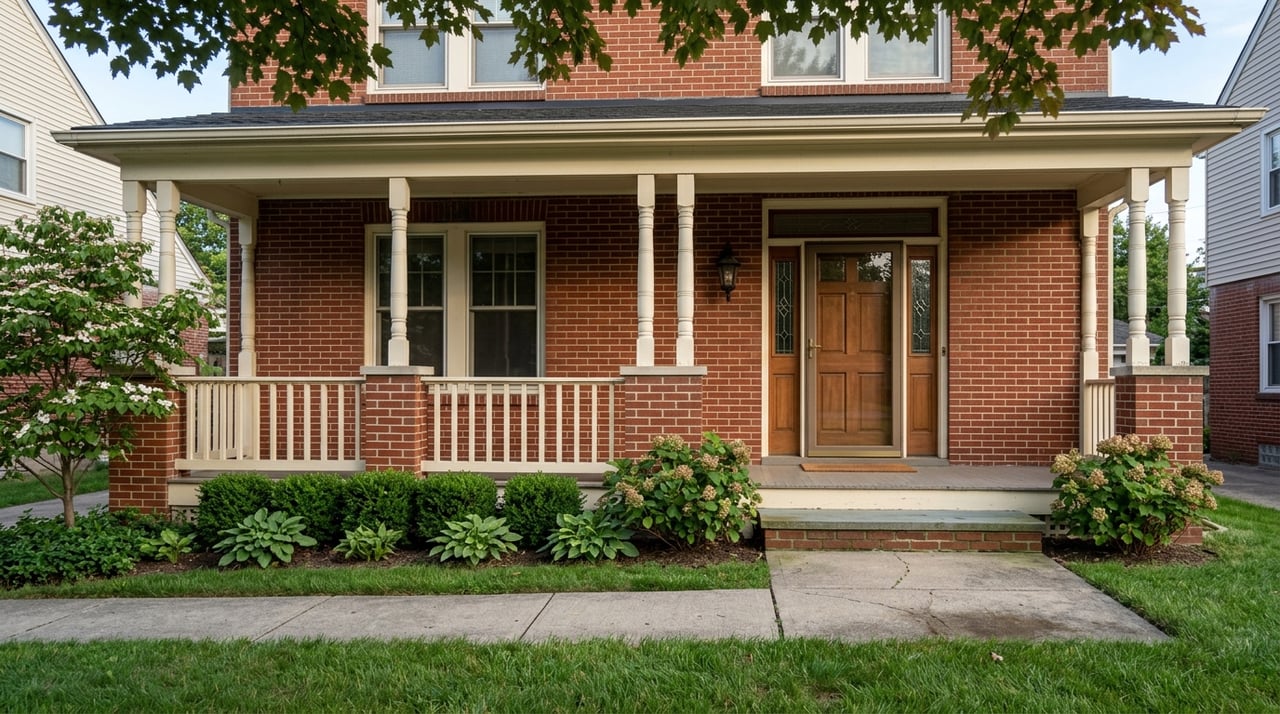
Colonial Revival homes usually feel more balanced and formal. Common features include symmetrical facades, columned porches or porticos, shutters, dormers, double-hung windows, and entrances with sidelights or pediments.
If you prefer a classic look, this style often feels timeless. Many buyers appreciate the clean lines and traditional curb appeal.
Tudor Revival Features
Tudor Revival homes tend to have a storybook look. They often include steep roofs, cross gables, half-timbering, prominent chimneys, narrow multi-pane windows, and patterned brick or stone.
This style can feel especially warm and distinctive. It also tends to showcase exterior materials and rooflines in a memorable way.
Craftsman and Bungalow Features
Craftsman and bungalow-style homes often emphasize handmade detail and a lower, broader profile. You may notice wide eaves, exposed rafters, open porches, sturdy square columns, stone bases, and crafted wood elements.
These homes can feel especially inviting. Their porches and practical layouts are a big part of their appeal.
Shingle Style Features
Shingle style homes are often less ornate than Queen Anne homes but still rich in character. Common features include shingled wall surfaces, broad porches, and irregular rooflines.
For some buyers, this style offers the right mix of historic interest and visual simplicity. It can feel relaxed while still carrying plenty of architectural presence.
Interior Details Buyers Love
A historic home’s charm is not just about the exterior. Inside, many older homes keep the features that make buyers fall in love during a showing.
You may find wainscoting, picture molding, mantels, ceiling medallions, built-in shelves or cabinets, crown molding, arches, and original window or door trim. Preservation guidance treats these as character-defining features, which is a helpful reminder that these details are often worth keeping when possible.
In practical terms, these details can add warmth and personality that are hard to replicate. They also help a home feel connected to its original design.
What Maintenance to Expect
Older homes do require attention, but that does not mean they are unpredictable. A better way to think about maintenance is that it is usually cyclical and visible rather than mysterious.
A homeowner guide for historic homes breaks upkeep into six broad areas: roofs, chimneys and gutters; walls and foundations; windows and doors; porches and awnings; landscapes; and energy efficiency. That framework can help you look at an older home with more confidence.
Focus on Water Management
The biggest maintenance priority is often simple: keep water moving away from the house. Preservation guidance recommends checking roofs, chimneys, windows, porches, entryways, and foundations at least annually, with roof drainage checked about every six months.
That means gutters, downspouts, flashing, loose roofing materials, and cracked masonry deserve close attention. In an older home, small moisture issues can become larger repairs if they are ignored.
Roofs and Chimneys
Roofs and chimneys are key areas to watch, especially before and after severe weather. If you are buying an older home, it is smart to look closely at visible wear and ask good questions during the inspection process.
A well-maintained roof system helps protect nearly everything below it. That makes it one of the most important parts of long-term ownership.
Gutters and Downspouts
Clear gutters and downspouts matter more than many buyers expect. When drainage backs up, water can affect older wood, masonry, exterior walls, and even basement areas.
This is one of the simplest maintenance routines with one of the biggest payoffs. In many historic homes, good drainage supports the whole building.
Porches, Steps, and Entry Details
Porches are a major part of the look and function of many older Glenside homes. They also sit in a spot where weather and moisture can take a toll.
Watch for peeling paint, soft wood, or signs of moisture damage around steps, railings, and entry areas. These issues are common maintenance items, not necessarily red flags, but they should be addressed promptly.
Walls and Foundations
Older walls and foundations are especially sensitive to moisture management. If water is not directed away from the structure, problems can show up in masonry, exterior finishes, or lower-level spaces.
This is another reason inspections matter. You want to understand not just the current condition, but also how well the home has been protected over time.
How to Modernize Without Losing Charm
One of the biggest questions buyers ask is how to make a historic home more comfortable and efficient without stripping away its character. In many cases, the answer is to repair first and replace only when necessary.
Preservation guidance recommends repairing deteriorated historic features whenever possible. If replacement cannot be avoided, the new feature should match the old in design, color, texture, and visual quality.
Windows Deserve a Closer Look
Original wood windows are often candidates for repair, not automatic replacement. That matters because windows are a big part of how a historic home looks and feels.
Guidance also notes that weatherstripping can improve performance and that storm windows may significantly boost efficiency. In some cases, storm windows over historic windows can perform similarly to a new low-E vinyl replacement window, and interior storm windows may work better where exterior storms would hide decorative window details.
Doors and Trim Matter Too
Historic solid wood doors generally have good thermal properties and are often worth retaining. Proper painting, caulking, and weatherstripping can improve comfort while preserving the look of the home.
The same idea applies to trim and woodwork. If a room still has historic detailing, that original material is usually an important part of the home’s value and appeal.
Choose Update Areas Carefully
Not every room needs the same preservation approach. Kitchens, bathrooms, basements, attics, and other utilitarian spaces are often more flexible for updates than formal living areas or rooms with elaborate historic detail.
That can be good news if you want a home that feels functional for modern life. You may be able to update the spaces you use most while keeping the rooms that give the home its personality.
Local Due Diligence in Glenside
In Glenside, the exact address matters because the community spans Abington and Cheltenham townships. If you are seriously considering an older home, local review requirements should be part of your due diligence.
Cheltenham notes that repairs, maintenance, and exterior changes in its historic districts are reviewed by the township’s Board of Historical and Architectural Review, and approval is required before building permits are issued for properties in those districts. That is especially relevant if a property is in places such as Wyncote or La Mott.
Abington also emphasizes retaining historic structures and making changes in ways that preserve historic integrity. Its historic resource survey included hundreds of properties built before 1950, which shows how meaningful older housing stock is in the township.
For you as a buyer, the takeaway is simple: before planning major exterior work, confirm which township the home is in and whether local historic review may apply. That step can help you avoid surprises and make smarter renovation plans from day one.
Buying a Historic Home With Confidence
Historic homes in Glenside can offer style, craftsmanship, and architectural detail that are hard to duplicate. They may also ask for a more thoughtful approach to maintenance and updates.
If you know what to look for, older homes become much less intimidating. You can focus on the features that matter most, understand the likely upkeep, and make renovation choices that protect the character you fell in love with.
Whether you are comparing older homes to newer ones or trying to decide if historic charm fits your lifestyle, local guidance makes a difference. If you want help finding the right fit in Glenside or nearby communities, connect with Art Herling Team In Blue Bell for personalized guidance on your next move.
FAQs
What architectural styles might you see in historic homes in Glenside, PA?
- You may see Queen Anne, Colonial Revival, Tudor Revival, Craftsman or bungalow, and Shingle style influences, especially in homes tied to late 19th- and early 20th-century development.
What maintenance issues should you expect with an older home in Glenside?
- The biggest areas to watch are roofs, chimneys, gutters, windows, porches, walls, and foundations, with special attention to moisture and drainage.
Can original windows in a historic Glenside home be repaired?
- Yes. Preservation guidance says repair should be considered first, and weatherstripping or storm windows can often improve performance without losing original character.
Which parts of a historic home are usually worth preserving?
- Character-defining features such as mantels, trim, built-ins, stair details, porches, arches, and original window and door surrounds are often worth retaining when possible.
Do local rules matter when updating a historic home in Glenside?
- Yes. Because Glenside spans Abington and Cheltenham, you should confirm the exact township and whether the property falls under local historic review requirements before planning exterior changes.