Thinking about trading your Philadelphia address for more space in the suburbs? You are not alone, but this kind of move comes with more moving parts than many sellers expect. When you sell in the city and buy in a nearby suburb, you are juggling two transactions, two timelines, and often two different sets of local requirements. This guide will show you what to plan for, what can slow you down, and how to make your move feel more manageable. Let’s dive in.
Why this move takes extra planning
Selling a Philadelphia home to move to the suburbs is not just a change of address. It is usually a coordinated sale and purchase with separate deadlines, documents, and closing costs. If you own a city rowhome, there may also be older-home issues that need attention before you list.
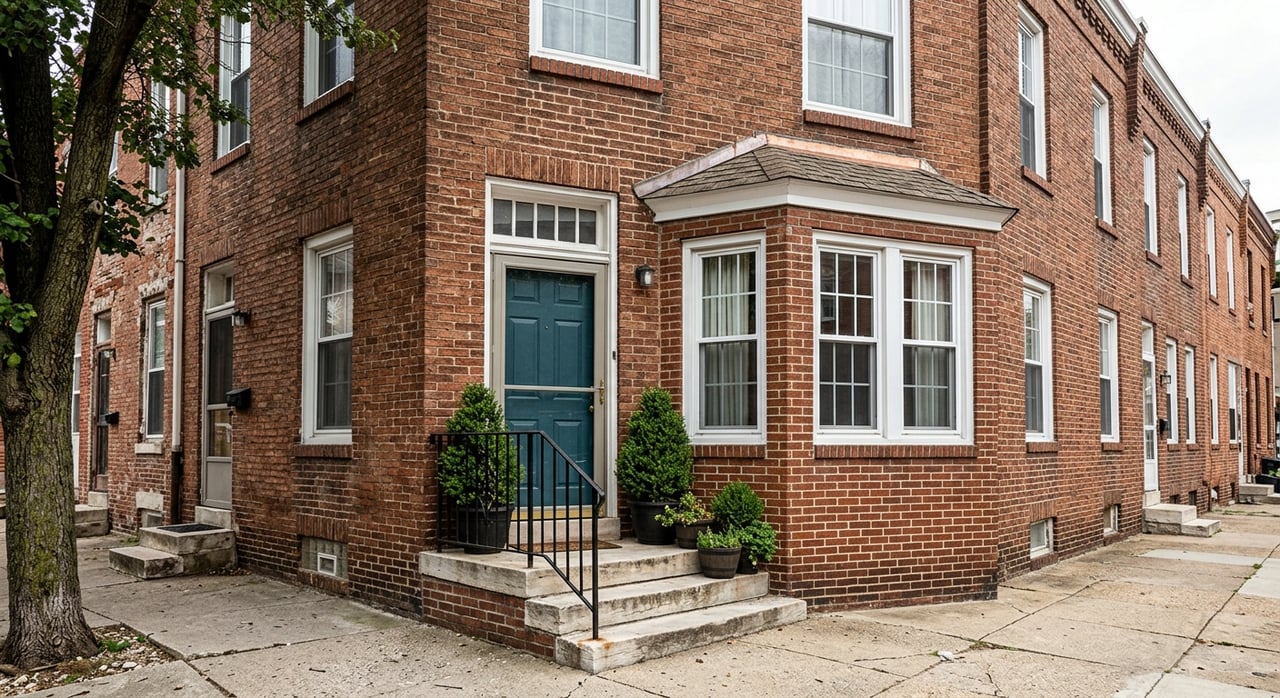
Philadelphia is still largely a rowhouse city, and attached homes often come with longer maintenance histories and condition questions. That can mean buyers look closely at roofing, plumbing, electrical systems, water intrusion, structural concerns, permits, and prior repairs. The more organized you are upfront, the smoother your sale can be.
Start with your Philadelphia sale
Before you focus on where you are going, get clear on what your city home needs to sell. A strong start can help you avoid delays later, especially if your purchase in the suburbs depends on your sale proceeds.
Philadelphia requires a Property Sales Certification
Philadelphia requires a Property Sales Certification when you sell real estate in the city. This certificate shows the property’s zoning classification, last established use, and any uncorrected violations related to housing, building, safety, or fire rules.
The city lists the current fee as $139 and posts a processing time of five business days. That may not sound long, but it matters when you are trying to line up photography, listing prep, showings, and an offer timeline. It is smart to build this into your schedule early.
It is also important to know that this is different from a Certificate of Occupancy. For existing one- or two-family homes where the use is not changing, the city says a Certificate of Occupancy is not required.
Pennsylvania disclosures matter early
Pennsylvania sellers are required to complete seller disclosure documents covering known defects and property conditions. For many Philadelphia homes, especially older rowhomes, this is where preparation pays off.
You should be ready to discuss known issues such as:
- Roof age or past roof repairs
- Plumbing problems or updates
- Electrical issues or upgrades
- Water intrusion or dampness
- Structural concerns
- Past repairs
- Known code issues
Waiting for a buyer’s inspection to uncover everything can create stress and reopen negotiations. A complete and thoughtful disclosure package helps buyers feel informed and can make your transaction more predictable.
Lead-based paint rules may apply
If your Philadelphia home was built before 1978, lead-based paint disclosure rules may apply. Older homes are more likely to contain lead-based paint, so this is especially relevant in Philadelphia’s housing stock.
Sellers of most pre-1978 homes must disclose known lead information and give buyers the opportunity to test for lead-based paint or hazards for 10 days. The rule does not require you to pay for an inspection, but it does mean your paperwork should be in order from the start.
Condo and HOA documents can delay closing
If your property is a condo or part of a planned community, association paperwork can become one of the biggest timing issues. Pennsylvania law requires sellers to provide governing documents and a resale certificate with details about assessments, fees, reserves, budgets, insurance, violations, and other important items.
The association must furnish the certificate within 10 days after request. A buyer may have the ability to void the contract until the certificate is delivered and for five days after. That makes it wise to request these documents as early as possible.
What changes when you buy in the suburbs
Many sellers assume the hard part is the Philadelphia side. In reality, your suburban purchase can bring its own inspection, occupancy, and utility requirements depending on the municipality.
That is one reason local guidance matters so much. Two suburbs that are close to each other can still handle transfer steps differently.
Some towns require point-of-sale inspections
Nearby communities may require certifications or inspections before settlement or occupancy. If you are buying in places like Horsham, Hatboro, or Warminster, it is important to know that local rules can affect your timeline.
In Horsham Township, residential property transfers require a certification showing compliance with certain township rules, including curbs, sidewalks, smoke alarms, and house numbering. The township may inspect the property, the certification must be dated within 90 days of transfer, and the township gives itself up to 10 business days to respond.
In Hatboro, a Use and Occupancy Permit is required for every sale or transfer of property, and each permit requires a Fire Marshal inspection. That means your suburban purchase may include a municipal inspection layer even if your Philadelphia sale is already moving along.
In Warminster, no residential property may be sold, transferred, or occupied without first obtaining an occupancy certificate. That certificate is issued only after an inspection shows no code violations.
Utility certifications can affect settlement dates
Suburban closings may also involve utility-related transfer steps that city sellers do not always expect. In some areas, utility authorities require certifications, final inspections, meter readings, or service applications before settlement.
For example, the Horsham Water and Sewer Authority requires a water and sewer certification for all property transfers. An authority representative performs a final inspection and meter reading, usually the day before settlement, and the final bill becomes part of closing costs.
In the Warminster service area, the municipal authority requires a certification letter, property inspection, and application for service for property sales and transfers. The seller, realtor, or title company must notify the authority at least 10 business days before settlement.
Understand the transfer tax difference
One of the clearest cost differences in this type of move is transfer tax. Because you are selling one property and buying another, you may face two separate deed recordings and two separate tax calculations.
Philadelphia currently imposes a 4.578% realty transfer tax due when the deed is presented for recording. Pennsylvania also imposes a 1% state transfer tax, and nearby counties such as Montgomery and Bucks generally describe a 2% total transfer tax at recording.
In practical terms, this means your city sale and suburban purchase do not follow one simple tax rule. Each transaction has its own recording process, and the contract controls who pays what. This is one of the biggest reasons buyers and sellers benefit from careful settlement planning.
Why title and timing coordination matter
When you move from Philadelphia to the suburbs, the paperwork is not all happening in one place. Your outgoing deed and your incoming deed may involve different recording requirements, different checks, and different local procedures.
Montgomery County says transfer taxes or a Statement of Value must accompany all transfers, and separate checks are required for the recording fee and the transfer tax. Bucks County also notes that a Statement of Value may be needed when transfer tax is not paid or when the true value is not shown on the deed.
This is where timing becomes critical. If your Philadelphia certification is still pending, your condo documents are late, or your suburban occupancy process has not started, your two closings can drift apart. That can create pressure around proceeds, temporary housing, or moving dates.
A simple checklist for your move
If you want a more organized buy-sell experience, focus on the tasks that affect timing first.
Before you list your Philadelphia home
- Request your Philadelphia Property Sales Certification
- Gather repair records, permit information, and maintenance details
- Prepare your Pennsylvania seller disclosure documents
- Confirm whether lead-based paint disclosures apply
- Request condo or HOA resale documents if needed
Once you start looking in the suburbs
- Ask whether the municipality requires a transfer, occupancy, or U&O inspection
- Confirm any local utility certification requirements
- Review likely transfer tax costs for your purchase area
- Plan for separate timelines on the sale and purchase sides
- Keep settlement scheduling flexible when possible
How a coordinated strategy helps
A move from Philadelphia to the suburbs is often about more space, a different home style, or a better fit for your next chapter. But the logistics can feel heavy if you treat the sale and purchase as separate projects.
A coordinated strategy helps you look at pricing, prep work, certifications, inspections, and settlement timing as one connected plan. That kind of planning can reduce surprises and help you make stronger decisions about when to list, when to buy, and how to keep both sides moving.
If you are planning a city-to-suburb move, working with someone who understands both the Philadelphia sale process and suburban transaction details can make a real difference. The goal is not just to get from one closing table to the next. It is to help you move with confidence and fewer last-minute issues.
When you are ready to plan your next move, Art Herling Team In Blue Bell can help you coordinate the sale of your Philadelphia home and your suburban purchase with clear guidance every step of the way.
FAQs
What is required to sell a home in Philadelphia?
- Philadelphia requires a Property Sales Certification for real estate sales in the city, and sellers also need to complete Pennsylvania disclosure documents for known property conditions.
Does a Philadelphia seller need a Certificate of Occupancy?
- For an existing one- or two-family home where the use stays the same, Philadelphia says a Certificate of Occupancy is not required.
Do older Philadelphia homes need lead paint disclosure?
- If the home was built before 1978, sellers of most homes must disclose known lead information and give buyers a 10-day opportunity to test for lead-based paint or hazards.
Do suburban towns near Philadelphia require inspections before closing?
- Some do. Horsham, Hatboro, and Warminster each have local transfer or occupancy requirements that can include inspections, certifications, or permits before settlement or occupancy.
Why can a move from Philadelphia to the suburbs take longer than expected?
- You may be dealing with city certifications, seller disclosures, condo documents, suburban occupancy steps, utility certifications, and two separate settlement timelines at the same time.
How is transfer tax different when selling in Philadelphia and buying in the suburbs?
- Philadelphia has a 4.578% realty transfer tax at recording, while Pennsylvania has a 1% state transfer tax and nearby counties like Montgomery and Bucks generally describe a 2% total transfer tax at recording.