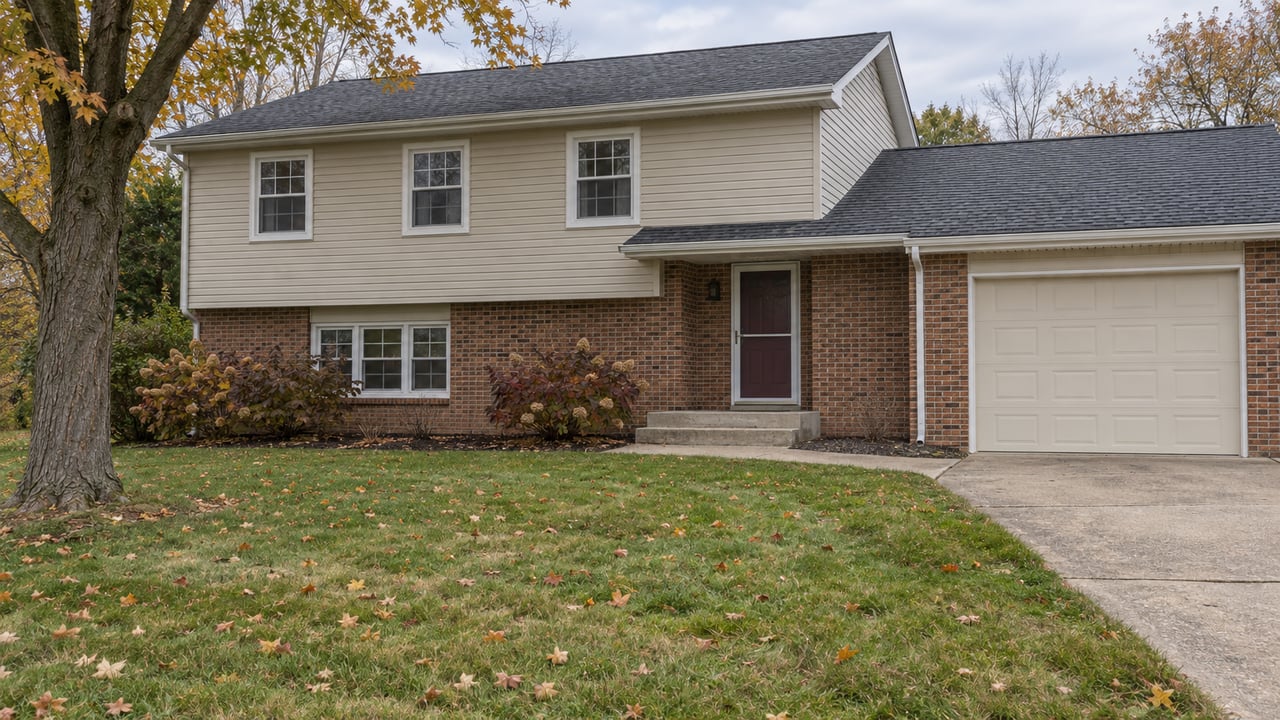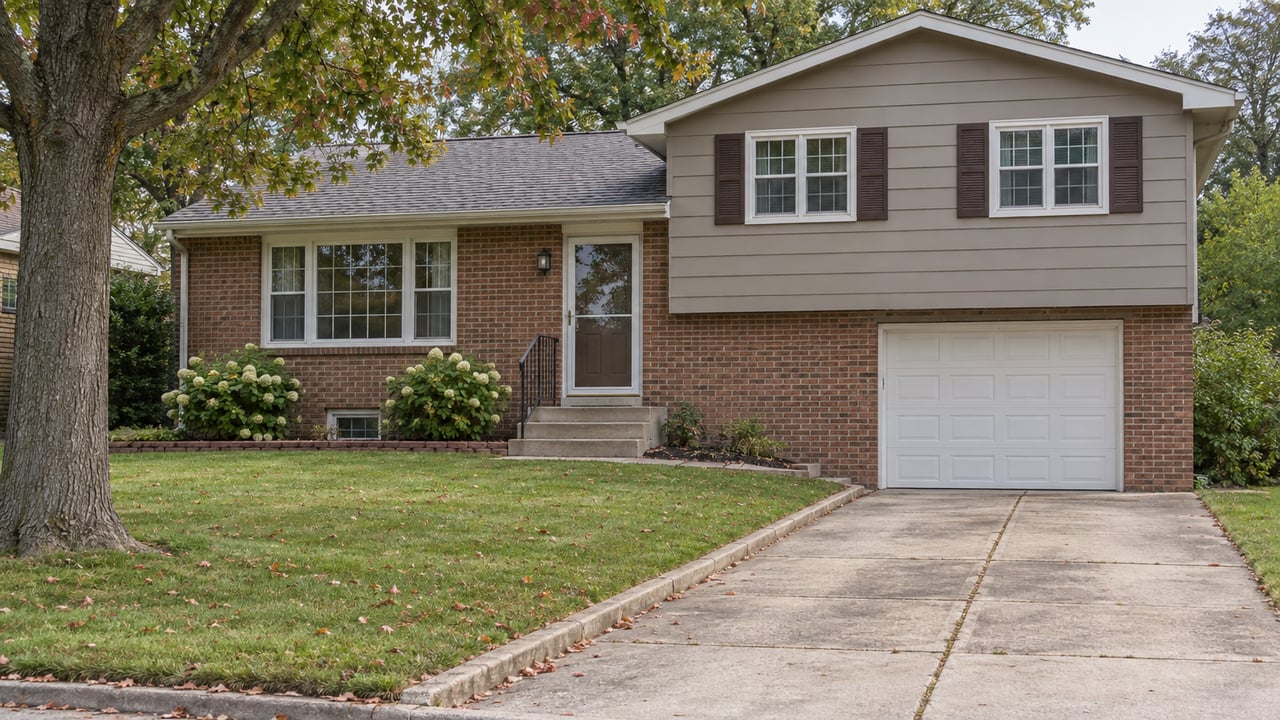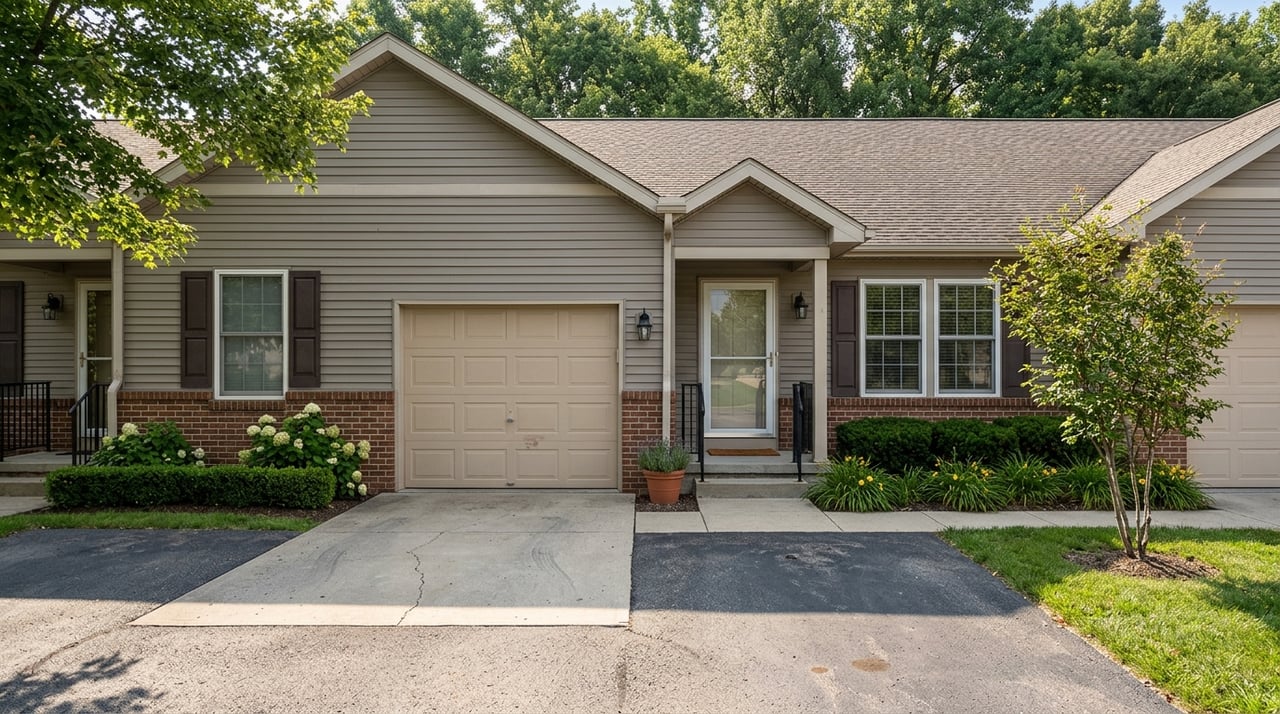
If you want a home base in the Philadelphia suburbs without taking on every inch of exterior upkeep, Abington may deserve a closer look. Condo and townhome living can offer a practical mix of ownership, convenience, and access to everyday destinations, but the details matter more than many buyers expect. In this guide, you’ll learn how attached-home living works in Abington, what to watch for in community fees and rules, and how to compare options with more confidence. Let’s dive in.
Why Abington Appeals to Attached-Home Buyers
Abington Township is a first-ring suburb of Philadelphia with more than 58,000 residents. The township highlights access to I-276, PA 611, PA 309, PA 232, SEPTA rail service, and several bus routes, which makes it a strong fit if you want suburban living with multiple commuting options.
The lifestyle side matters too. Abington notes more than 25 public parks, over 375 acres of open space, and destinations such as Keswick Village and Willow Grove Mall. For many buyers, that supports a low-maintenance ownership model where you can spend less time on exterior chores and more time enjoying the area.
What “Condo” and “Townhome” Can Mean in Pennsylvania
One of the biggest misconceptions in attached-home shopping is assuming the building style tells you everything. In Pennsylvania, the legal structure of the community often matters just as much as whether the home looks like a condo or a townhome from the street.
Under Pennsylvania law, a condominium is real estate where parts are separately owned and the rest is owned in common by the unit owners. A planned community is real estate where owning part of the property can come with obligations to help pay for taxes, insurance, maintenance, repair, improvement, management, administration, or regulation of other parts of the community.
That means two homes with a similar layout can come with very different rules, fees, and responsibilities. If you are comparing communities in Abington, it is smart to focus on the governing structure and documents, not just the photos or floor plan.
How Community Fees Usually Work
Monthly fees are often one of the first things buyers notice, but the number alone does not tell the full story. In Pennsylvania condos and planned communities, assessments are based on an annual budget, and that budget should separate general common expenses from limited common expenses when needed.
In simple terms, your fee may support shared costs such as maintenance, insurance, management, and repairs tied to common areas. In some cases, certain expenses can be charged only to the units that use a specific feature.
That is especially important when a community includes assigned spaces or features that are shared in a legal sense but reserved for certain owners. Pennsylvania defines a limited common element as part of the common area reserved for the exclusive use of fewer than all units.
Why limited common elements matter
This can affect things like:
- Parking spaces
- Decks or patios
- Storage areas
- Entry features used by select units
If one of those features is important to you, ask how it is classified in the documents. The answer may shape both your monthly costs and your maintenance responsibilities.
Rules, Budgets, and Reserves Matter More Than Curb Appeal
Associations in Pennsylvania have broad powers to adopt rules, set budgets and reserves, collect assessments, regulate common elements, and impose late charges and reasonable fines after notice and an opportunity to be heard. That is why two communities in the same township can feel very different once you move in.
A well-kept exterior and attractive common areas are great signs, but they are only part of the story. You also want to know whether the association is planning ahead for repairs, keeping financial records in order, and managing the community in a way that matches your expectations.
This is where many buyers can protect themselves simply by slowing down and reading carefully. The monthly fee may buy real convenience, but the value depends on the budget, reserve planning, and day-to-day rules behind it.
What Attached-Home Living Can Look Like in Abington
Abington’s planning context helps explain why condos and townhomes can be a good local fit. The township points to transit access, walkable destinations, and planning efforts tied to station areas and connected neighborhoods.
A useful example is the Glenside area, which spans Cheltenham and Abington. Montgomery County describes it as a Neighborhood Village Center with a mix of denser housing types, a well-connected street grid, and low-rise buildings of about two to three stories.
The Glenside SEPTA station is served by the Lansdale/Doylestown and Warminster Regional Rail lines, with bus connections reaching places such as Willow Grove Park Mall. For you as a buyer, that can mean a tradeoff worth considering: less private lot space in exchange for access, walkability, and easier commuting.
Abington Township planning materials also reference transit-oriented development near Noble Station, parking improvements in Keswick Village, and a township-wide bicycle plan linking neighborhoods and destinations. That is a reminder to compare not just the home itself, but also the micro-location around it.
What to Compare Beyond the Unit
When you tour a condo or townhome in Abington, look beyond the kitchen finishes and room sizes. In attached-home living, your day-to-day experience is shaped by both the home and the community around it.
Here are a few practical comparison points:
- Distance to train stations or bus routes
- Parking setup and convenience
- Walkability to shopping or services
- Outdoor space, if any
- Building style and number of stories
- Community rules and shared-area expectations
A home that looks similar on paper may live very differently depending on its setting. In Abington, that is especially true near station areas, village-style commercial pockets, and more car-dependent sections of the township.
Documents Buyers Should Review
For a resale in a Pennsylvania condominium or planned community, you should ask for the declaration, bylaws, rules and regulations, and the association’s resale certificate. These documents help you understand not just what you are buying, but what comes with it.
The resale certificate is especially important because Pennsylvania requires it to cover key financial and legal details. That can include the monthly assessment amount, unpaid assessments, other fees payable by owners, proposed capital expenditures, reserve balances, the current budget, recent financial statements, judgments and pending suits, and insurance coverage.
Depending on the community, it may also note issues such as leasehold terms or whether the property is part of a master association. In short, it gives you a clearer picture of the community’s financial health and obligations before you close.
Smart questions to ask
As you review documents, consider asking:
- What does the monthly fee cover?
- Are reserves in place for future repairs?
- Are any special assessments planned?
- Are major capital projects coming up?
- Is there a transfer-related capital improvement fee?
- How are parking and outdoor spaces classified?
These are not minor details. They can affect your monthly budget, your closing costs, and your responsibilities after move-in.
Timing and Buyer Protections to Know
Pennsylvania law gives buyers important information rights in condo purchases. In a condominium, a buyer is not liable for unpaid assessments or fees greater than the amount listed in the certificate.
The law also states that the purchase contract remains voidable until the certificate is provided and for five days afterward, or until conveyance, whichever happens first. That gives buyers a window to review key information before moving forward.
For planned communities with more than 12 units, annual financial statements are required within 180 days after the fiscal year ends, and the association must furnish a certificate within 10 days after a unit owner requests it. Associations must also keep financial records reasonably available for examination by unit owners.
Who Abington Condo or Townhome Living May Fit Best
Abington attached-home living can make sense for several types of buyers. If you are buying your first home, it may offer a way into ownership with less exterior upkeep than a detached house.
If you are downsizing, a condo or townhome may let you stay in a well-connected suburban location while simplifying maintenance. If you have a busy work schedule or commute, the combination of rail access, shopping, parks, and shared maintenance can be especially appealing.
The key is making sure the tradeoff fits your goals. Monthly fees, shared rules, and limited private outdoor space may be worth it if the location, convenience, and ownership style line up with how you want to live.
Final Thoughts on Buying in Abington
Abington offers a strong mix of suburban services, transportation access, parks, shopping, and planning that supports walkable and transit-connected living in parts of the township. That makes it a compelling place to consider if you want the benefits of ownership without the full workload of a larger property.
Still, the best condo or townhome choice is rarely about the unit alone. It comes down to how the legal structure, fees, rules, parking, and location work together for your budget and lifestyle.
If you want help comparing Abington condos and townhomes, reviewing community details, or planning a move in Montgomery County, connect with Art Herling Team In Blue Bell for clear, local guidance and full-service support.
FAQs
What is the difference between a condo and a townhome in Abington, PA?
- In Abington, the difference is not always the exterior style. In Pennsylvania, the legal structure matters most because a home may be governed as a condominium or a planned community, and that affects fees, rules, and shared responsibilities.
What should you review before buying a condo in Abington, PA?
- You should review the declaration, bylaws, rules and regulations, and the resale certificate. These documents can show the monthly assessment, reserve balances, budget, other owner fees, insurance coverage, and any planned capital spending.
What do HOA or condo fees cover in an Abington townhome or condo community?
- Fees are based on an annual budget and may cover shared maintenance, insurance, management, and repair costs tied to common areas. What is included varies by community, so you should confirm the details in the governing documents.
Why do parking and outdoor spaces matter in Abington condo communities?
- Parking spaces, patios, decks, and storage areas may be classified as limited common elements under Pennsylvania law. That can affect who uses them, who maintains them, and how related costs are assigned.
Is Abington, PA a good place for low-maintenance homeownership?
- Abington offers features many attached-home buyers value, including access to major roads, SEPTA service, parks, open space, shopping, and walkable pockets near transit. For many buyers, that supports a lower-maintenance lifestyle with good everyday convenience.