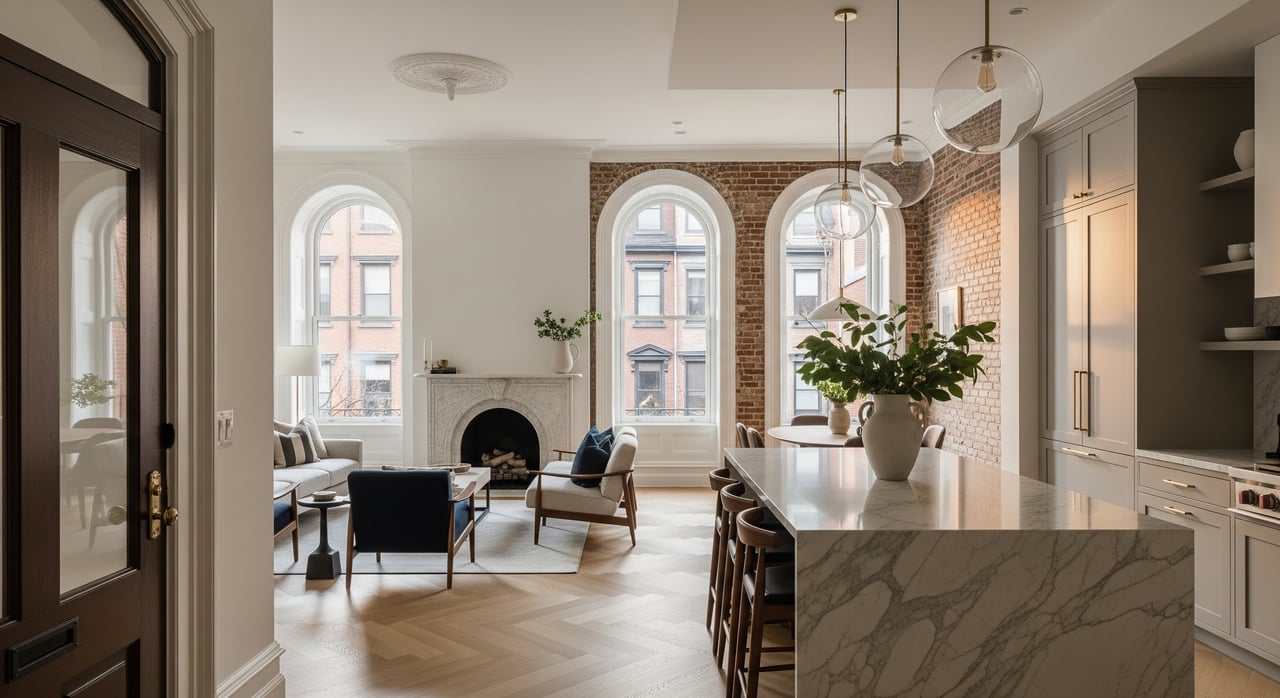
Buying your first home in Philadelphia can feel exciting and a little overwhelming. You are sorting through rowhomes, condos, transit options, and new terms like transfer tax and title insurance. This guide gives you a clear, local path so you can move from searching to keys-in-hand with confidence. You will learn how the Philly market works, what to inspect in older homes, how closing costs and taxes are handled, and where to find trusted assistance programs. Let’s dive in.
Know the Philly housing landscape
Philadelphia is a mature city with a wide mix of homes. You will see attached rowhouses across many neighborhoods, plus older single-family homes and a range of condos from small walk-ups to high-rises. Condition varies block by block, so plan for careful evaluations and realistic repair budgets.
Rowhomes have unique features. Shared party walls, narrow lots, older plumbing and electrical, cellar or basement spaces, and shared rooflines are common. These details matter for inspections and for long-term maintenance. Proximity to SEPTA transit, universities, hospitals, and employment centers often drives demand and pricing more than square footage alone.
Walkability and transit access are key value drivers. Living near the Market-Frankford Line, Broad Street Line, trolley routes, or Regional Rail tends to command a premium. If you drive, plan around I-76, I-95, and I-476 access and daily traffic patterns.
Your step-by-step path to a first home
Get pre-approved the right way
Start with a full pre-approval, not just a pre-qualification. Choose a lender familiar with Philadelphia properties, including older rowhomes and mixed-use blocks. Ask about down payment options such as conventional low down payment, FHA, VA where eligible, and any state or local assistance you might combine with your loan.
Discuss common Philly issues upfront. If you plan to buy a duplex and rent a unit, talk about how rental income is documented. Confirm whether the property could require flood insurance and how older systems might affect appraisal.
Choose a local agent who knows rowhomes
Work with an agent who understands Philadelphia neighborhoods and the quirks of older housing. A local expert can flag historic district rules, typical rowhome repair needs, and how transfer tax is negotiated in different market conditions. They will also connect you with inspectors, title professionals, and closing attorneys who work in the city every day.
Zero in on neighborhoods and transit
As you tour homes, map your commute and daily needs. Measure walking time to the nearest SEPTA station or trolley stop and confirm resident street parking rules. If you plan exterior changes, check whether a historic district applies. Ask about basement moisture history and any flood risk.
Make a competitive, protected offer
Your offer will likely include contingencies for financing, inspection, appraisal, and clear title. Earnest money is held in escrow by an attorney or title company. Transfer tax is part of every Philadelphia closing and who pays what share is negotiable. Your agent and closing attorney will help structure an offer that protects you while staying competitive.
Inspect with a rowhome lens
A standard home inspection is essential, and rowhomes often benefit from additional specialty checks:
- Foundation and settlement evaluation
- Roof and shared parapet conditions; chimney inspection
- Sewer scope for older lines
- Pest inspection for wood-destroying insects
- Lead paint risk if built before 1978
- Basement moisture and ventilation
If you are buying a condo, request financials, meeting minutes, reserve studies, and information on any special assessments.
Appraisal, underwriting, and title
Appraisers will use comparable sales that match your home’s type and condition. Your settlement attorney or title company will run a full title search, confirm any easements or party-wall agreements, and arrange title insurance. They will coordinate documents, transfer tax, and recording with city agencies.
Closing costs and the finish line
Typical buyer costs include lender fees, appraisal, credit reports, settlement or attorney fees, title insurance, transfer and recording taxes, homeowners insurance, prorated taxes and utilities, and any HOA or condo fees. Before closing, complete your final walk-through to confirm repairs and property condition. On closing day, you will sign documents, send certified funds or a wire, and your deed will be recorded.
Most Philadelphia closings take about 30 to 60 days after offer acceptance, depending on underwriting, repairs, and title timelines.
Taxes, title, and city rules to know
- Transfer tax. Philadelphia collects transfer tax in addition to the state tax. Practices on how buyers and sellers split this cost can vary and are negotiable. Check current guidance from the Philadelphia Department of Revenue and confirm the allocation with your agent and closing attorney.
- Assessments and appeals. Property taxes are based on assessed value. Review assessments and appeal processes through the Philadelphia Board of Revision of Taxes.
- Historic districts. Exterior changes to designated properties often require approval. Review rules and districts with the Philadelphia Historical Commission.
- Flood risk. Check a property’s location on FEMA maps and ask about basement flooding history. Use the FEMA Flood Map Service Center to identify Special Flood Hazard Areas.
Commute and lifestyle: where to look first
Transit can shape both daily life and value. Explore these corridors based on your routine and preferences:
- Center City, Rittenhouse, Old City. Dense, walkable, and near multiple subway, trolley, and Regional Rail connections.
- University City. Close to major hospitals and universities, with strong transit access and mixed-use streetscapes.
- Fishtown, Northern Liberties, Port Richmond. Popular for Market-Frankford Line access and active dining scenes.
- South Philadelphia, East Passyunk, Queen Village, Bella Vista. Rowhomes with Broad Street Line access and established retail.
- West Philadelphia corridors like Spruce Hill and Cedar Park. Rowhomes near trolleys and Regional Rail.
- Manayunk and Roxborough. Regional Rail access plus neighborhood commercial corridors.
- Germantown and Mount Airy. More single-family options and Chestnut Hill Regional Rail lines.
- Northeast Philadelphia. Mix of rowhomes and detached houses with longer commutes to Center City.
Plan your route and monthly transit costs using SEPTA system maps.
Financing and first-time buyer help
You have several loan options. Many first-time buyers compare FHA loans, conventional loans with low down payments, and VA loans where eligible. State programs can help with down payment and closing costs.
- PHFA programs. The Pennsylvania Housing Finance Agency offers mortgage options and assistance that can pair with certain loans. Review eligibility, education requirements, and current offerings on the PHFA site.
- HUD-approved counseling. Many assistance programs require a homebuyer education course. Find local agencies through HUD’s housing counseling resources.
- City initiatives. Philadelphia’s city-administered homebuyer assistance programs evolve over time and often support low to moderate income households. Check current opportunities and requirements through the city’s housing division at the Division of Housing and Community Development.
Ask your lender to outline income limits, purchase price caps, eligible property types, and timeline for each program so you can plan your offer and closing date.
Quick checklists you can use
Pre-offer checklist
- Full lender pre-approval and budget for down payment plus closing costs
- Shortlist of neighborhoods with a transit and parking plan
- Initial insurance quote and flood zone check on FEMA maps
- Historic district lookup if you plan exterior work
Offer and contract checklist
- Contingencies for inspection, appraisal, financing, and clear title
- Earnest money instructions and escrow holder identified
- Title company or closing attorney selected
- Proposed settlement date aligned with lender and assistance program timelines
Inspection checklist for Philly rowhomes
- Foundation and settlement; bowing or cracking walls
- Roof, parapets, and chimney status
- Sewer scope for older laterals
- Electrical system updates, including any knob-and-tube
- HVAC age and service history
- Lead-based paint risk for pre-1978 homes
- Basement moisture, sump pump, and backflow considerations
Closing day checklist
- Homeowners insurance binder delivered to lender
- Verified wire instructions or certified funds
- Reviewed and understood Closing Disclosure
- Final walk-through completed and keys/possession plan confirmed
Reduce risk with smart due diligence
Older homes can be great long-term investments when you inspect carefully and budget for maintenance. Title review protects your ownership, including any party-wall or easement issues common on dense city blocks. Always confirm flood, historic, and tax details with the appropriate agencies before you commit to major renovations.
Ready to start your search?
You do not have to figure this out alone. With local neighborhood knowledge and full-service support for lending, inspection, title, and settlement, you can move with clarity and less stress. If you are ready to tour homes or want a step-by-step plan, reach out to the Art Herling Team In Blue Bell. We will help you buy with confidence.
FAQs
Who pays Philadelphia transfer tax on a first home?
- It is negotiable. Practices vary by market conditions. Confirm the current rate with the Philadelphia Department of Revenue and decide allocation with your agent and closing attorney.
How long does a closing take in Philadelphia?
- Most deals close in about 30 to 60 days after offer acceptance, depending on underwriting, inspections, repairs, and title clearance.
Do rowhomes need special inspections?
- Yes. In addition to a general inspection, prioritize foundation and settlement, roof and chimneys, sewer scope, pest inspection, and lead paint risk for older homes.
Do I need flood insurance in Philadelphia?
- Only if the home lies in a FEMA Special Flood Hazard Area or your lender requires it. Check the FEMA Flood Map Service Center and ask about basement flood history.
Which neighborhoods are most convenient to SEPTA?
- Many are well served. Center City, University City, Fishtown, parts of West Philadelphia, Chestnut Hill, and Manayunk have strong access. Plan routes using SEPTA maps.