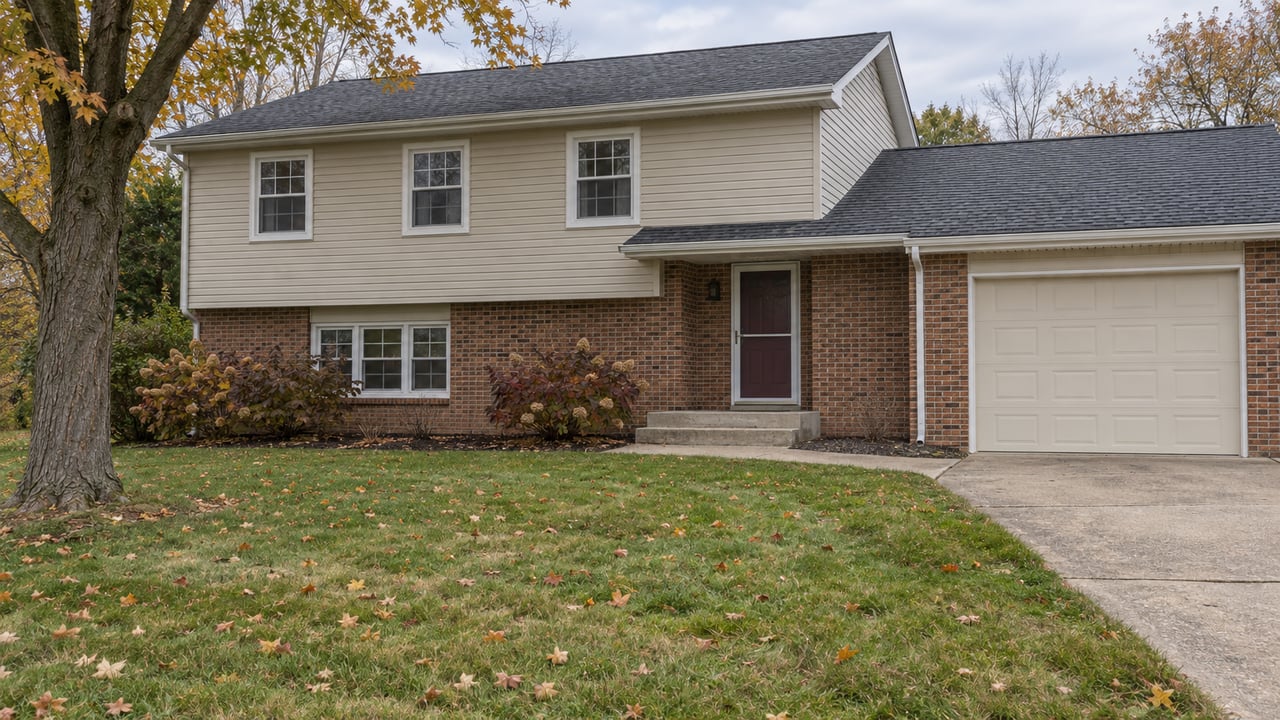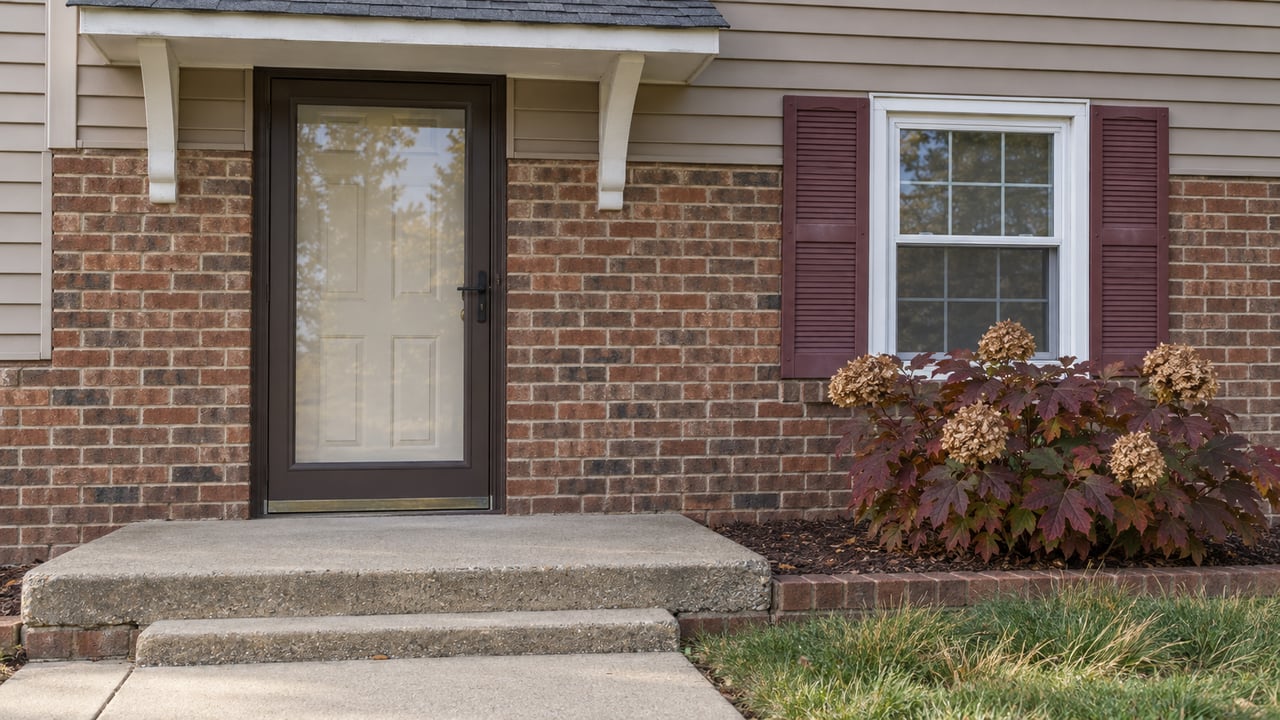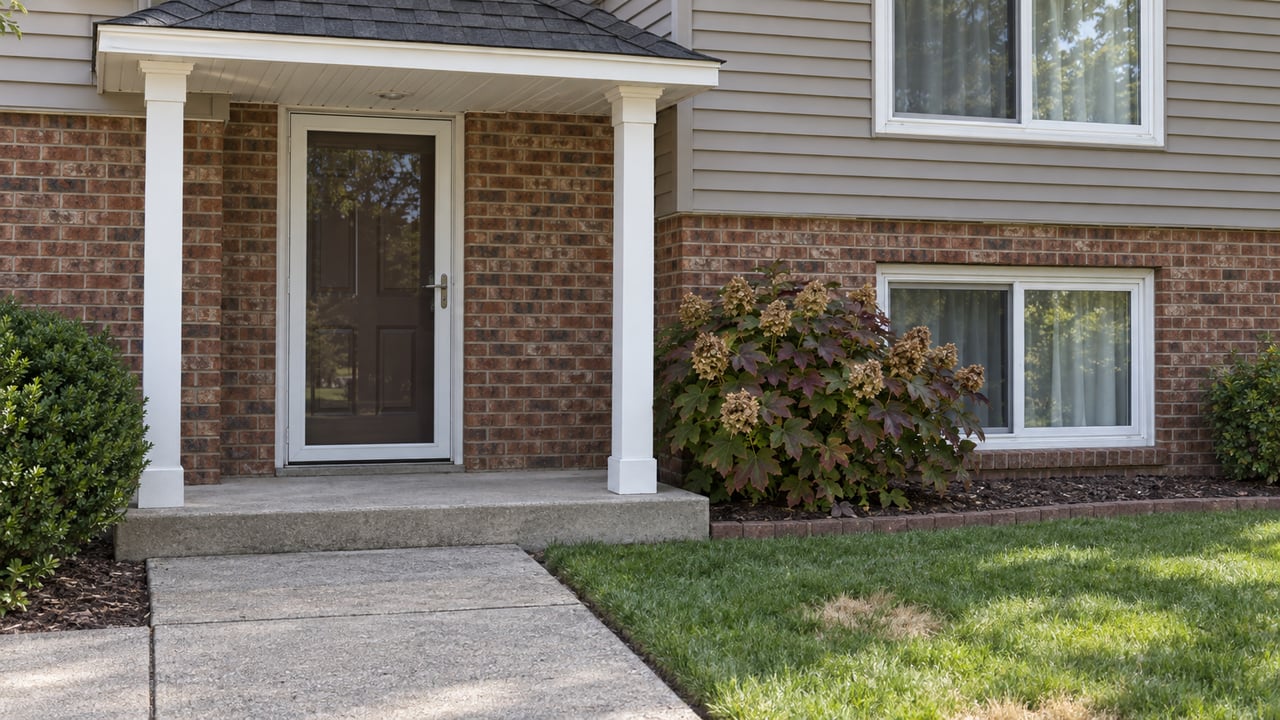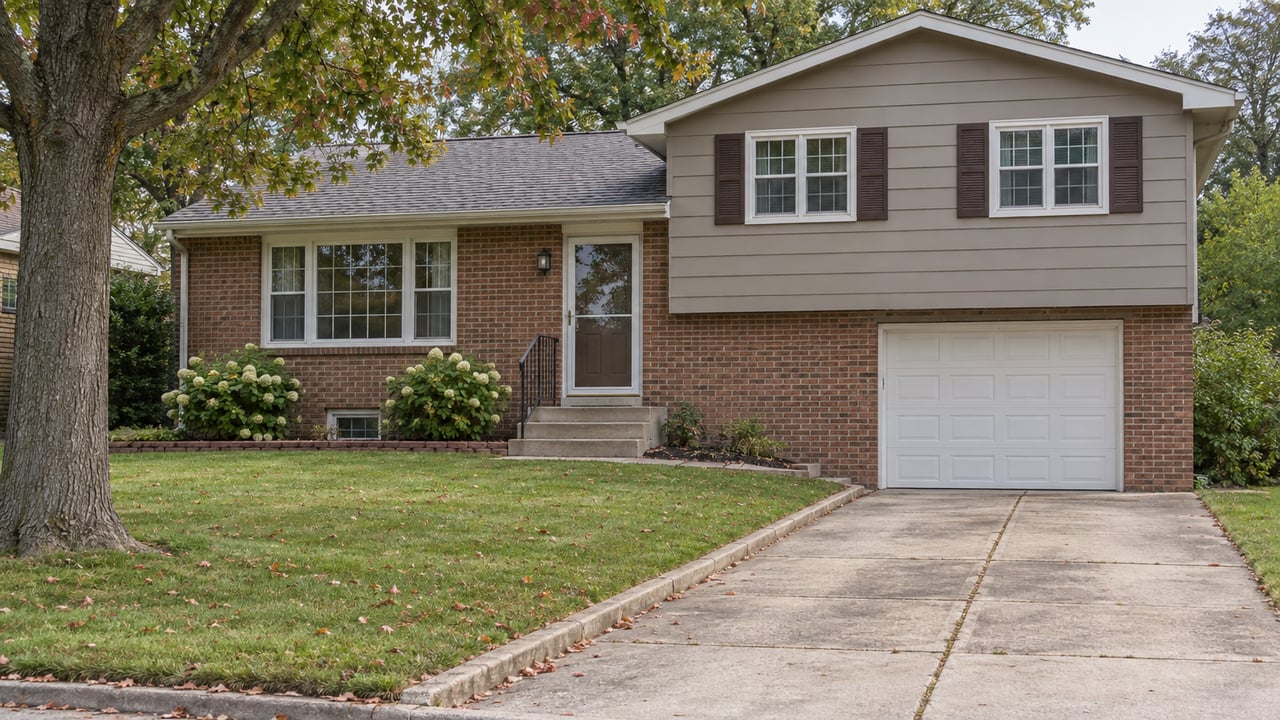
Thinking about selling your Glenside home but not sure where to start? You are not alone. Older homes and shifting market stats can make timing, pricing and prep feel overwhelming. In this guide, you will learn how to read today’s Glenside market, what to fix first in an older house, how to price and present with confidence, and how to coordinate your next purchase without losing sleep. Let’s dive in.
Glenside market at a glance
Recent snapshots from multiple providers show Glenside’s median sale price in the low to mid 400Ks with a typical timeline near 50 to 60 days on market. Month-to-month numbers move because Glenside is a small area and sales counts are modest, so short windows can look noisy. Abington often tracks a touch faster in some ZIPs, while nearby Jenkintown swings widely due to very few monthly sales. The takeaway is simple: a well-prepared, well-priced Glenside home can still move efficiently, especially in the first two weeks.
Know your home and why it matters
Glenside spans Abington and Cheltenham townships, and township plus school district lines can affect taxes and buyer comparisons. Many local homes date to the 1920s through 1940s with Cape Cod, Colonial, and bungalow styles that showcase original trim and masonry details. Older character is a draw, but buyers expect safe systems and clear disclosures. An inspection-forward approach helps you protect value and keep the deal on track.
Older homes and common findings
For homes from this era, you may encounter older electrical, plumbing, or environmental items. Inspectors often flag knob-and-tube wiring, fuse panels, galvanized pipes, cast-iron drains, and past moisture repairs. Review a credible overview of typical older-home issues in this guide to inspecting historic and older homes. Plan to fix safety items, disclose the rest clearly, and price accordingly.
Your 8 to 12 week prep plan
A little structure goes a long way. Use this simple timeline to stay on track.
8–12 weeks before listing
- Interview local agents and request a market analysis that uses ZIP and township level comps.
- Order a pre-list home inspection to surface repair priorities and reduce surprise renegotiations. See this primer on pre-list inspections and seller disclosures.
- Gather maintenance records, permits, past waterproofing invoices, utility averages, and any warranty info.
6–4 weeks before listing
- Complete high-impact safety and mechanical repairs first.
- Tackle light cosmetic updates: fresh neutral paint, minor flooring fixes, updated lighting and hardware, and deep cleaning.
- Schedule professional photography and, if appropriate, bring in a stager.
2 weeks before listing
- Finalize your pricing strategy and listing copy.
- Confirm showing instructions, produce a simple floor plan, and prep a 3D tour or video if useful.
- Launch when the home is fully photo-ready so your first impression is your best.
High-impact fixes for older Glenside homes
Every home is unique, but these items most often protect value and reduce buyer pushback.
- Roof, gutters, drainage. Fix active leaks, replace failing shingles, and ensure downspouts move water away from the foundation. Water concerns are common deal killers.
- Electrical. Identify any knob-and-tube, fuse panels, or unsafe components and have a licensed electrician evaluate. Document repairs or provide estimates so buyers and insurers feel confident. For context on typical older-home electrical and plumbing concerns, review InterNACHI’s guidance.
- Plumbing. Assess galvanized supply lines, cast-iron drains, and any recurring leaks. Proactive repairs or clear estimates help keep negotiations focused.
- HVAC and water heater. Confirm safe operation and service history. If equipment is near end of life, consider replacement or price with disclosure.
- Moisture, foundation, and basements. Fix active drainage issues, document past waterproofing, and share receipts.
- Environmental items. For homes built before 1978, federal law requires a lead-based paint disclosure and delivery of the EPA/HUD pamphlet. Learn more about lead disclosure requirements and the EPA pamphlet. If you suspect asbestos in older materials, consult qualified pros before any disturbance. When in doubt, disclose.
Notes on cost vs. benefit: Major structural or systems work is not always cost-effective before listing. A pre-list inspection gives you options to repair, credit, or adjust price while maintaining buyer confidence. For sellers who want help coordinating updates quickly, some providers offer pay-at-closing solutions. One example is the NAR-linked partnership noted here about pre-list repair coordination programs.
Pricing, staging, and marketing
Pricing with neighborhood data
Because Glenside straddles two townships, pricing should rely on very local comps that match your home’s condition and features. Clarify the time window used, such as 30, 90, or 180 days, because small-sample markets can skew fast. Your goal is a launch price that attracts strong early traffic without leaving money on the table.
Staging that highlights character
The National Association of Realtors reports that staging can reduce time on market, and that staging the living room, main bedroom, and kitchen delivers the most perceived value. Review the findings in NAR’s 2025 Profile of Home Staging. In older Glenside homes, pair neutral paint and simple furnishings with detail shots of trim, mantels, and built-ins to make character a selling point.
Marketing that meets buyers where they are
Expect buyers to shortlist online first, then tour quickly if the home matches their needs. Professional photography, a compelling description, and accurate floor plans help them envision the layout. Coordinate strong opening weekend showings and be prepared to adjust within 7 to 14 days if traffic is light.
Selling and buying at the same time
Here are common paths and how to choose what fits your risk and timing.
- Sell first, then buy. You know your net proceeds before you purchase. This can mean temporary housing unless you line up back-to-back closings.
- Buy first with strong financing. If you can comfortably carry two mortgages or use short-term financing, you remove contingency risk on your purchase. Talk with a lender early to understand costs.
- Make a sale-contingent offer. This can work in slower pockets but is often less competitive in tight submarkets. If you choose this route, pair it with strong terms elsewhere.
- Use a short post-closing occupancy. A brief leaseback gives you time to close on your purchase after selling. Document terms carefully. For a process overview on disclosures and agreements, see this seller process and disclosure guide.
Plan a 30 to 45 day closing window in your schedule, then add buffer for lender, title, and coordination needs. Get pre-approved for your purchase early so you can act decisively when the right home appears.
Pennsylvania disclosures you need to know
Pennsylvania requires a comprehensive Seller Property Disclosure to be provided to buyers. Review the state’s framework in this summary of Pennsylvania’s seller disclosure requirements. For pre-1978 homes, you must also provide the federal lead disclosure and the EPA/HUD pamphlet. If your home crosses township or school district lines, disclose that context so buyers understand taxes and services.
Quick seller checklist
- Get a pre-list inspection and gather records and permits.
- Prioritize safety, systems, and water management fixes first.
- Complete simple cosmetic updates and curb appeal refresh.
- Stage key rooms and book pro photography and a floor plan.
- Launch with clear disclosures, strong copy, and smart pricing.
- Monitor traffic the first 7 to 14 days and adjust if needed.
Ready to map your move with a local plan that fits your timeline and goals? Reach out to the Art Herling Team In Blue Bell to discuss your home, your neighborhood, and a step-by-step strategy tailored to you.
FAQs
How long does it take to sell a home in Glenside right now?
- Recent provider snapshots show roughly 50 to 60 days on market on average, but well-prepared and well-priced listings can move faster while small-sample data can swing month to month.
What repairs should I prioritize before listing an older Glenside home?
- Focus on safety and systems first: roof and drainage, electrical hazards, plumbing leaks or outdated lines, HVAC function, and any active moisture or foundation issues.
Do I need to disclose lead-based paint in Glenside?
- If your home was built before 1978, federal law requires a lead disclosure and delivery of the EPA/HUD pamphlet, along with Pennsylvania’s standard seller disclosure.
Is staging really worth it for older homes?
- Yes. NAR reports staging can reduce time on market, with the living room, main bedroom, and kitchen delivering the most perceived value impact.
How should I price my Glenside home across two townships?
- Use ZIP and township level comps that match condition, size, and features, and be explicit about the time window used because small-sample markets can skew quickly.
What are my options if I need to sell and buy at the same time?
- Common routes include selling first, buying first with strong financing, using a sale contingency when appropriate, or negotiating a short post-closing occupancy with clear terms.